Pests keep coming back after professional treatment primarily due to the pupal emergence window, unaddressed structural entry micro-gaps, or unmanaged environmental attractants like moisture leaks and food debris. Initial applications target active adults, but dormant egg stages, unsealed exterior voids, or lingering food sources allow new generations to emerge or migrate back into living spaces before residual barriers fully take effect.
4 Main Root Causes Behind Post-Treatment Pest Recurrence
Understanding why bugs reappear after a professional visit helps property owners address underlying causes and maintain long-term protection.
| Root Cause | Underlying Mechanism | Long-Term Solution |
| Biological Hatching Window | Protective egg shells shield unborn pests from initial applications | Growth regulators (IGRs) and scheduled follow-up visits |
| Unsealed Entry Gaps | Insects and small rodents enter through hidden siding and pipe gaps | Structural exclusion using copper mesh and elastomeric sealants |
| Moisture Attractants | High humidity and plumbing leaks attract water-seeking pests | Sub-level moisture control and plumbing leak repairs |
| Degraded Residual Barriers | Rain, sunlight, and floor mopping break down exterior defenses | Regular quarterly treatments to maintain active barriers |
4-Step Process: Why Pests Reappear After Professional Care
- Cause 1: The Biological Hatching Window (Pupal & Egg Stage Immunity)
Standard residual treatments eliminate active adults and larvae, but egg sacs and pupal cocoons remain protected by chemical-resistant outer shells, leading to a temporary wave of newly hatched pests 2 to 4 weeks later. - Cause 2: Unsealed Structural Micro-Gaps & Entry Corridors
If physical entry points—such as exterior siding gaps, foundation cracks, unshielded weep holes, and pipe penetrations—remain unsealed, outdoor pest populations continuously infiltrate interior spaces despite internal barriers. - Cause 3: High-Humidity Microclimates & Standing Water Sources
Subterranean leaks, damp crawl spaces, overflowing gutters, and condensation around HVAC lines create ideal breeding environments that continually draw moisture-seeking pests like silverfish, roaches, and earwigs. - Cause 4: Interrupted Barrier Protocols & Missed Maintenance Cycles
Environmental factors like heavy rainfall, intense sunlight, and routine floor cleaning gradually break down exterior perimeter treatments, leaving homes vulnerable if follow-up visits are delayed.
One-Time Surface Applications vs. Continuous Integrated Pest Management (IPM)
Comparing one-time applications with an Integrated Pest Management (IPM) plan shows why ongoing care prevents recurring infestations.
| Service Approach / Parameter | One-Time Surface Application | Continuous Integrated Pest Management (IPM) |
| Primary Focus Area | Immediate knockdown of visible surface pests | Long-term disruption of life cycles, entry paths, and food sources |
| Lifecycle Interruption | Low; leaves unhatched eggs and pupae untouched | High; uses IGRs and scheduled follow-ups to halt repopulation |
| Structural Exclusion | None; ignores exterior gaps and foundation cracks | Includes micro-gap audits and physical sealing protocols |
| Environmental Control | No adjustment to moisture or light attractants | Identifies and corrects moisture leaks, clutter, and outdoor lights |
| Long-Term Protection Span | Temporary (14 to 30 days maximum) | Year-round guaranteed protection with proactive seasonal barriers |
Applying Our Advanced Protective Framework to Solve This
At Tupelo Pest Control, our family-owned team brings dedicated care, expert methods, and complete reassurance to every home. We solve recurring pest issues through a complete protective approach:
- Combines Years of Experience, Licensed Expertise, and Eco-Friendly Solutions: Tupelo Pest Control combines years of experience, licensed expertise, and eco-friendly solutions to identify hidden breeding sites, seal subtle structural gaps, and apply green and safe pesticides that protect your home without harming local ecology.
- Vetted, Friendly Technicians: Our technicians are drug-screened and background-checked, providing approachable, friendly service so you feel confident welcoming us into your home.
- Targeted Environmental Management: We perform minor exclusion and targeted applications like baiting to eliminate pest populations at their source rather than relying on temporary fixes.
- Service Warranties for Peace of Mind: All of our treatment plans are backed by a service warranty; if pests appear between your routine maintenance visits, we return to address the issue at no extra cost.
Common Misconception: “Seeing Pests Days After Treatment Proves the Application Was Ineffective”
The Myth: Seeing increased pest activity 3 to 10 days after a professional application means the products failed or were diluted incorrectly.
The Reality: A temporary surge in pest sightings immediately following a professional visit, often called “flushing out”, is a clear sign that the treatment is working. Modern professional products disrupt pest nervous systems or act as slow-acting baits, driving hidden pests out of wall voids, baseboards, and dark harborages. As these disoriented pests crawl across treated surfaces, they absorb lethal doses and transfer active agents throughout the colony before dying out completely.
Technical Specifications & Pest Recurrence Terminology
- Flushing Effect: The behavioral response where active ingredients force hidden pests out of dark wall voids and harbourages into treated areas.
- Insect Growth Regulator (IGR): A specialized compound that mimics juvenile insect hormones, preventing larvae from maturing into breeding adults.
- Residual Breakdown: The natural degradation of protective barriers over time caused by rainfall, UV sunlight, high temperatures, or indoor cleaning.
- Pest Re-Infestation Corridor: An unsealed structural opening or utility penetration that allows external pest populations to continuously enter a building envelope.
Why Property Owners Need Professional Recurrence Management
Persistent moisture around foundations and unsealed exterior wall gaps create pathways for pests to return despite interior cleanup attempts.
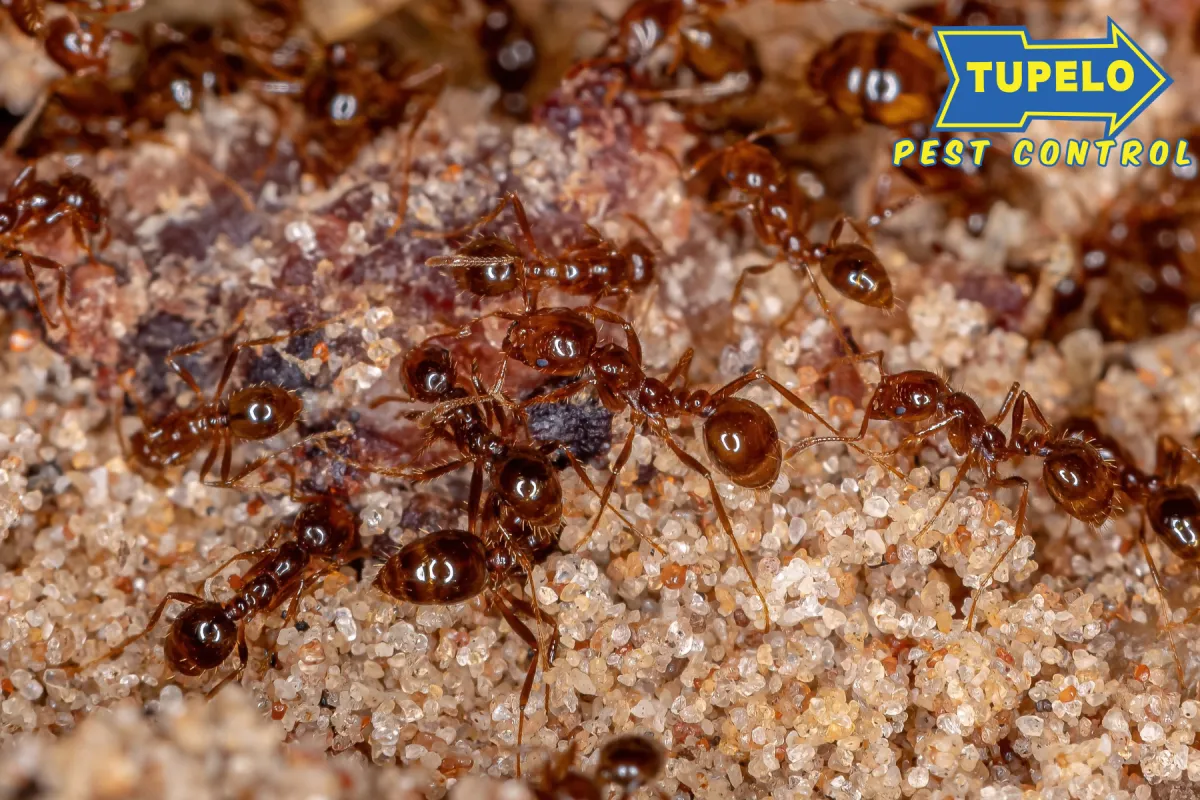
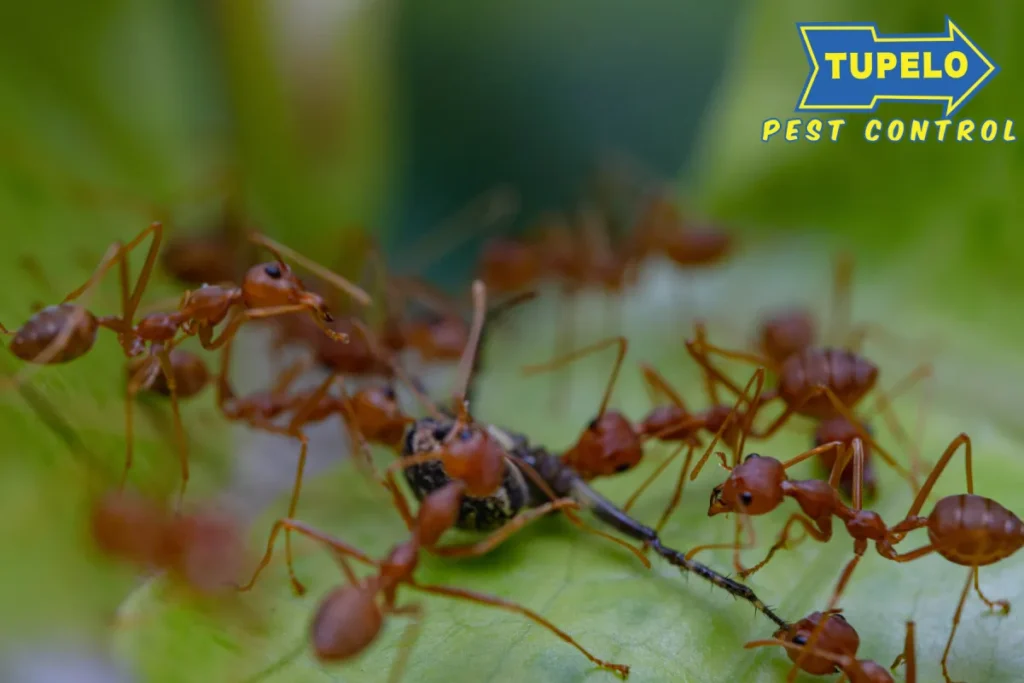
During a recent property audit for a residence in Guntown, our technician noticed ants repeatedly returning to a kitchen counter weeks after a retail product was used. The homeowner kept a clean kitchen, but an unsealed utility gap beneath the sink allowed ants from an outdoor colony to enter continuously. By sealing the pipe void and applying an environmentally friendly perimeter treatment, our team stopped the invasion for good.
Partnering with a reliable service for pest control in Guntown, MS ensures that both active indoor pests and outdoor harborage sites are properly managed. Experienced technicians inspect crawl spaces and foundation lines to eliminate underlying attractants.
If you are dealing with pests that keep coming back after initial treatments, securing trustworthy Guntown pest control restores complete peace of mind. Customized Integrated Pest Management plans address egg cycles and entry paths before new populations take hold.
Investing in dependable pest control in Guntown keeps your home protected across changing seasons. Scheduled maintenance and quarterly commercial service keep your building perimeter secure against recurring invasions year-round.
People Also Ask
How long should I wait before expecting pests to disappear completely after a treatment?
Most crawling pests decrease significantly within 7 to 14 days, though full eradication of egg-heavy pests like fleas or roaches can take 3 to 4 weeks as final hatches emerge and contact residual barriers.
Can cleaning my floors too soon after a treatment wash away the protective barrier?
Yes. Deep scrubbing, steam cleaning, or heavy mopping along baseboards immediately after treatment can wash away residual barriers. Technicians recommend waiting at least 48 to 72 hours before light cleaning, keeping mops away from wall edges.
Why do roaches or ants return even if my house is completely clean?
While cleanliness helps, pests also seek water, shelter, and warmth. Leaky pipes, high humidity, unsealed wall gaps, and outdoor mulch piles attract pests regardless of how clean interior surfaces are kept.
What should I do if pests are still active after 30 days?
If active pest sightings persist beyond 30 days, contact your pest control provider for a follow-up inspection. Persistent activity usually indicates an undiscovered nesting site, a fresh hatch cycle, or an unsealed entry corridor.
Protect Your Home with Tupelo Pest Control
At Tupelo Pest Control, we are your trusted partner in creating comfortable, pest-free environments for your home or business. As a family-owned business, we prioritize customer satisfaction, clear communication, and environmentally safe practices.
We provide thorough, personalized Integrated Pest Management solutions tailored to your property’s unique needs. Whether you need post-treatment follow-ups, general pest prevention, quarterly commercial maintenance, or mosquito control, our licensed team delivers safe, long-lasting relief.
Ready to stop recurring pests and enjoy complete peace of mind? Contact us now to book an appointment!