Different pests require different treatments because each species has its own habits, hiding places, food sources, and life cycle. A method that works for ants may not work for termites, rodents, or cockroaches. Effective pest control starts with identifying the pest, locating its activity, and choosing a treatment that fits the problem.
Why Can’t One Pest Control Treatment Work for Every Pest?
Pests may all be unwanted visitors, but they do not behave the same way. Ants travel along trails to find food, cockroaches hide near moisture and food sources, and termites can remain inside wood or other concealed areas. Rodents may enter through small openings and build nests in sheltered spaces.
These differences matter when choosing a treatment. Removing the pests you can see may not address the nest, colony, or entry point that allows more pests to appear. A treatment also needs to reach the areas where the target pest lives or travels.
How Pest Behavior Affects Treatment Selection
Before recommending a treatment, professional pest control in Guntown, MS needs to understand how the pest behaves. These five factors can influence the approach:
- Nesting locations: Some pests live in soil, wood, wall spaces, or other hidden areas. Finding these locations helps determine where attention is needed.
- Feeding habits: Ants, rodents, and cockroaches look for different food sources. Identifying what attracts them can help with treatment and prevention.
- Movement patterns: Some pests follow regular trails, while others stay close to their hiding places. This affects where control methods should be placed.
- Life cycle: Eggs, young pests, and adults may respond differently to control methods. A treatment plan may need to account for more than the visible adults.
- Infestation size: A few pests in one area may require a different response than activity found throughout a property.
Understanding these details helps professionals select a treatment based on the actual problem instead of relying on the same method for every pest.
How Do Pest Control Treatments Differ by Pest Type?
The type of pest is one of the first things to consider when planning treatment. Each species has different habits, so the inspection and control methods should reflect those differences.
| Pest Type | Common Behavior or Hiding Place | Treatment Considerations |
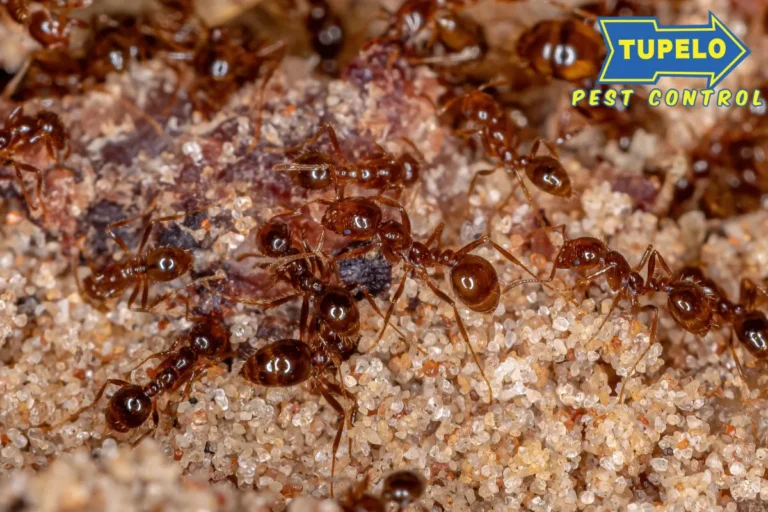
| Ants | Travel in trails and may nest indoors or outdoors | Locate trails and nesting areas; consider suitable baiting or targeted treatment |
| Termites | May live in soil, wood, or concealed parts of a structure | Identify the termite type and inspect areas where activity or damage may be present |
| Cockroaches | Hide in cracks, cabinets, appliances, and damp areas | Address hiding places, food sources, moisture, and suitable treatment locations |
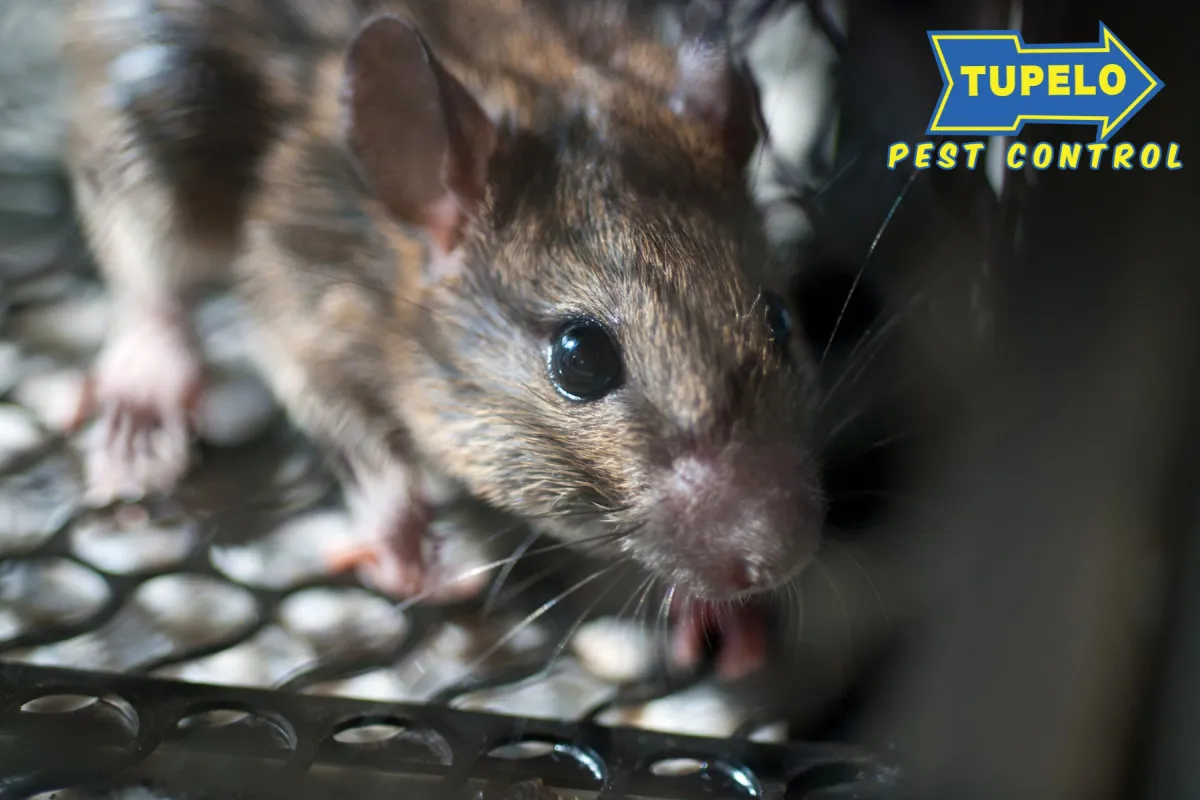
| Rodents | Nest in sheltered spaces and enter through gaps or openings | Identify entry points and nesting areas; consider trapping and exclusion |
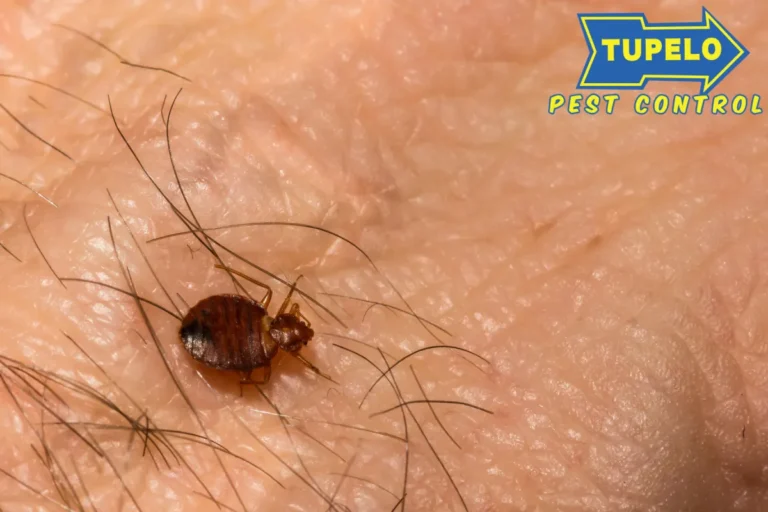
| Bed bugs | Hide in mattresses, bed frames, furniture, and nearby cracks | Inspect sleeping areas and surrounding furniture; account for different life stages |
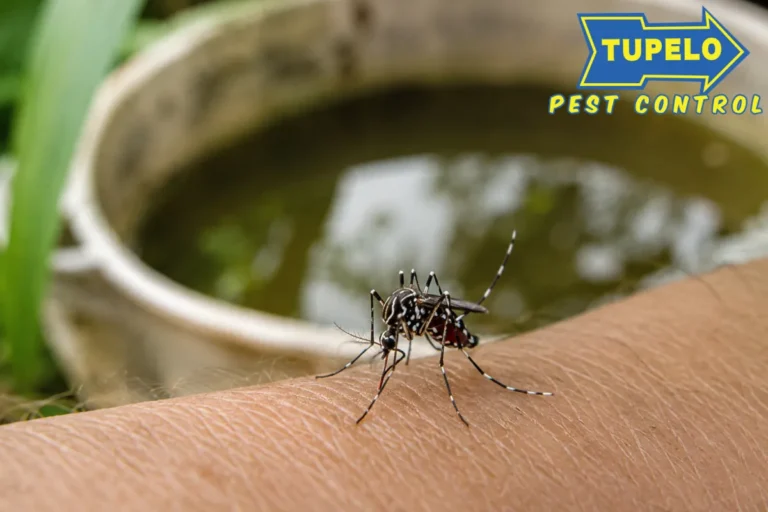
| Mosquitoes | Develop in standing water and gather around outdoor areas | Reduce breeding sites and address adult mosquito activity where appropriate |
| Fleas | May develop in carpets, upholstery, and pet resting areas | Consider adult fleas and immature stages, along with the surrounding environment |
Why Ant Treatments Differ From Termite Treatments
Ants and termites may both cause problems around a property, but their behavior and the areas they affect are different.
Ant control often involves finding trails, locating possible nesting areas, and identifying what attracts the colony. Baiting may be an option, depending on the ant species and where the activity occurs. Treating only the ants seen on a counter may not address the colony that keeps sending more workers inside.
Termite control requires a different inspection. These pests can remain hidden in soil or wood, depending on the species. A professional may need to check areas where termite activity or damage could be present before recommending a treatment.
Why Cockroach and Bed Bug Treatments Need Different Approaches
Cockroaches often gather near food, water, and warm hiding places. Kitchens, bathrooms, cabinets, and appliances may provide conditions that support their activity. A suitable plan considers these areas and the cracks or gaps where cockroaches hide.
Bed bugs are commonly found near places where people sleep or rest. These include mattresses, bed frames, upholstered furniture, and nearby crevices. Finding them may require a close inspection of sleeping areas and surrounding furniture.
Since these pests hide in different places, using the same treatment plan for both may leave important areas untreated.
Why Rodent Control Requires More Than Removing Visible Mice or Rats
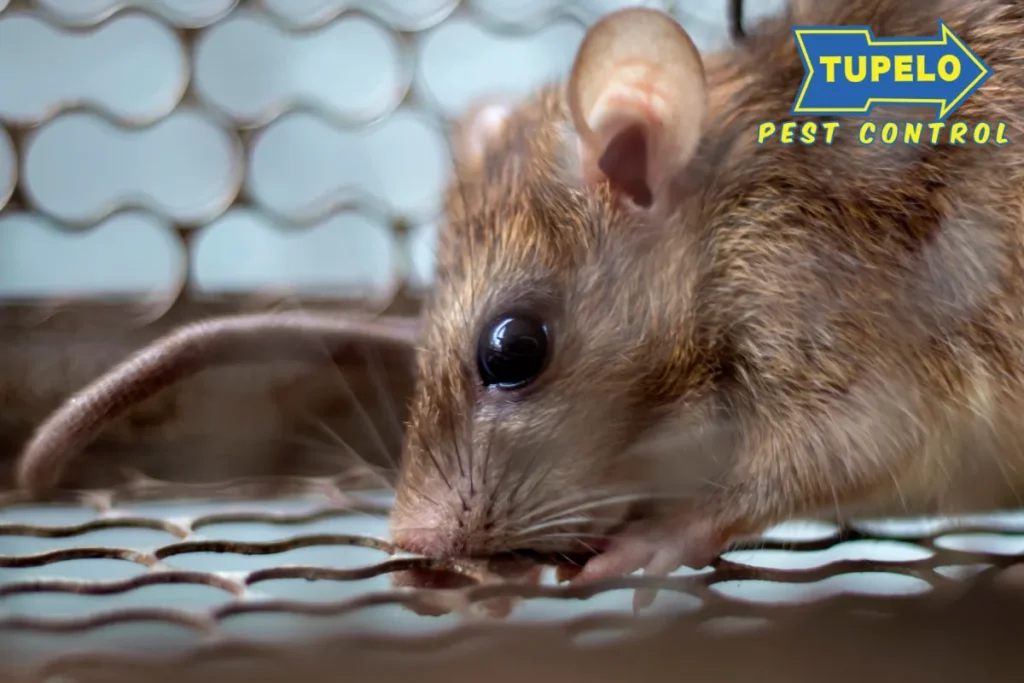
Seeing a mouse or rat does not always show the full extent of the problem. Rodents can move through wall openings, gaps around doors, storage areas, and other sheltered spaces. They may also return if food sources and access points remain available.
A rodent control plan should consider where the animals enter, where they travel, and where they may be nesting. Trapping can help address active rodents, while exclusion work can close openings that allow them inside. Removing accessible food sources and reducing clutter in storage areas can also support prevention.
What Factors Determine the Right Pest Control Treatment?
The right treatment depends on more than the name of the pest. Professionals also need to consider how far the activity has spread and what conditions around the property may be attracting pests.
5 Factors That Influence Treatment Selection
- Correct pest identification: Different species may need different control methods. Identifying the pest helps avoid choosing an approach that does not match the problem.
- Infestation level: A small amount of activity may call for a different plan than a widespread infestation.
- Location of activity: Pests found in a kitchen, attic, crawl space, yard, or wall opening may require different inspection and treatment steps.
- Property conditions: Moisture, food access, clutter, damaged screens, and gaps around the structure can contribute to pest activity.
- Household needs: Children, pets, occupants, and how the property is used should be considered when selecting and applying treatments.
Important Pest Control Terms Homeowners Should Understand
Knowing a few common terms can help homeowners understand a professional’s recommendations.
- Pest identification: Determining which pest is present before choosing a control method.
- Targeted treatment: Applying a suitable control method to areas where the pest is active or likely to travel.
- Baiting: Using an attractant-based product designed to be consumed or carried by the target pest.
- Exclusion: Closing gaps and openings that pests use to enter a property.
- Integrated Pest Management (IPM): An approach that combines inspection, monitoring, prevention, and appropriate control methods.
- Follow-up inspection: A later check to see whether pest activity has decreased or further attention is needed.
These steps work together. Treatment addresses current activity, while prevention helps reduce the conditions that allow pests to return.
What Happens When the Wrong Pest Control Treatment Is Used?
Choosing a treatment before identifying the pest can lead to wasted time and continued activity. A product or method may affect the insects that are easy to see but fail to reach the areas where the main population lives.
For example, treating ants on a countertop may not address their outdoor nest. Removing a mouse without checking how it entered may leave the property open to more rodents. Treating the wrong areas for cockroaches or bed bugs may also allow hidden activity to continue.
Signs Your Current Pest Control Approach Isn’t Working
Watch for these signs that the problem may need another look:
- Pests continue appearing after treatment.
- Activity returns in the same rooms or areas.
- You notice new signs of nesting or reproduction.
- Pests begin appearing in additional parts of the property.
- You cannot tell where they are entering or hiding.
If these signs continue, have the pest identified and the affected areas inspected. The findings may show that a different treatment or additional prevention steps are needed.
Common Pest Control Myths That Can Lead to the Wrong Treatment
A common misconception is that all pests can be eliminated with the same general treatment. This is not true. Pest control in Guntown needs to account for the pest’s behavior, hiding places, and the conditions around the property.
Myth 1: One General Treatment Can Eliminate Every Pest
Reality: Ants, termites, rodents, and other pests have different habits and hiding places. Each problem needs an approach suited to the pest involved.
Myth 2: Removing Visible Pests Means the Infestation Is Gone
Reality: Other pests may remain hidden in nests, wall spaces, furniture, or other areas. The visible activity may only be part of the problem.
Myth 3: DIY Products Work the Same Way for Every Infestation
Reality: Products have specific uses and target pests. Homeowners should read and follow product labels rather than assume one product will work for every situation.
Myth 4: More Treatment Always Means Better Results
Reality: Applying more product does not guarantee better control. The treatment needs to be appropriate for the pest and used according to its directions.
Myth 5: Pest Control Ends When the Visible Activity Stops
Reality: Entry points, food sources, moisture, and other conditions may still attract pests. Prevention and monitoring can help reduce the chance of another infestation.
Applying Our Dependable Inspections, Treatments, and Prevention Approach
At Tupelo Pest Control, our approach is built around three connected steps: dependable inspections, treatments suited to the pest, and practical prevention. We combine years of experience, licensed expertise, and eco-friendly solutions to help homeowners and businesses address pest problems based on their property and needs.
1. Dependable Inspections: Find Out What Is Causing the Problem
The first step is to identify the pest and understand where it is active. Our technicians inspect affected areas, look for signs of nesting or feeding, and check for possible entry points.
This matters because two pest problems that look similar may need different solutions. For example, ants gathering near a window may be following a trail from an outdoor nest, while cockroaches near a sink may be drawn to moisture and nearby hiding places. Identifying these details helps guide the next step.
2. Appropriate Treatments: Match the Method to the Pest
After the inspection, the treatment can be selected based on the pest, the affected areas, and the level of activity. Depending on the situation, options may include baiting, exclusion, or targeted applications.
Our licensed team uses its experience and the latest application techniques to recommend an approach suited to the property. We also use green and safe pesticides and environmentally friendly solutions, with consideration for people, pets, and the surrounding environment.
3. Prevention: Reduce the Chances of Pests Returning
Treatment is only one part of managing pest activity. Preventing another infestation also means addressing the conditions that attract pests or allow them to enter.
Homeowners can help by:
- Storing food in sealed containers.
- Cleaning up crumbs and food spills.
- Fixing leaks and reducing excess moisture.
- Sealing gaps around doors, windows, and utility openings.
- Keeping storage areas organized.
- Removing standing water where mosquitoes may develop.
For homes and businesses in Guntown, these steps can support a treatment plan designed around the property’s specific needs.
This three-part approach is what our Secret Language means in practice: inspect carefully, choose the right treatment, and help prevent the same problem from returning. It is not about using one method for every pest. It is about combining professional knowledge with a plan that fits the situation.
When Should You Call a Professional Pest Control Company?
A few pests may be manageable with basic cleaning, removal, or prevention steps. However, recurring activity or signs of a larger infestation may need professional attention.
Consider contacting a pest control professional when:
- You cannot identify the pest. Different pests can look similar, and correct identification helps guide the next step.
- Pests keep returning. Repeated sightings may mean the nest, breeding area, or entry point has not been addressed.
- You notice possible property damage. Chewed materials, damaged wood, or other signs may need a closer inspection.
- Pests appear in several rooms. Activity in multiple areas may point to a wider problem.
- DIY efforts have not helped. Continuing to use methods that are not working may delay the right solution.
A professional inspection can help determine what pest is present, where it is active, and which treatment options may be suitable. When comparing Guntown pest control options, look for a company that explains its recommendations and considers both treatment and prevention.
People Also Ask About Pest Control Treatments
Why do different pests need different treatments?
Different pests have unique life cycles, nesting habits, feeding patterns, and hiding places. Treatment methods need to match these differences to address the pest effectively.
Can one pest control treatment eliminate multiple types of pests?
Some products and methods may target more than one pest, but that does not mean they work for every species. The right choice depends on the product, the pests involved, and the conditions around the property.
How do pest control professionals decide which treatment to use?
Professionals consider the pest species, location of activity, infestation level, possible entry points, and property conditions. These details help them recommend an appropriate treatment plan.
Why do pests return after treatment?
Pests may return if nesting areas remain active, entry points are still open, or food and moisture sources continue attracting them. Some infestations may also need monitoring or follow-up attention.
Is professional pest control better than DIY treatment?
DIY methods may help with limited pest activity. However, recurring, widespread, or difficult-to-identify infestations may need a professional inspection and a treatment plan based on the specific problem.
Choose the Right Pest Control Treatment for Your Property
Different pests need different solutions. Identifying the pest, understanding where it lives, and choosing a suitable treatment can help address current activity and reduce the chance of future problems.
Tupelo Pest Control is a locally family-owned company committed to dependable service and personalized pest management. Our technicians are licensed, vetted, drug-screened, and background-checked. We focus on clear communication, environmentally friendly solutions, and respectful service for the homes and businesses we visit.
Contact us to discuss your pest concerns and schedule an inspection. Book an appointment through our website. Our team is ready to help you find an approach that fits your property.