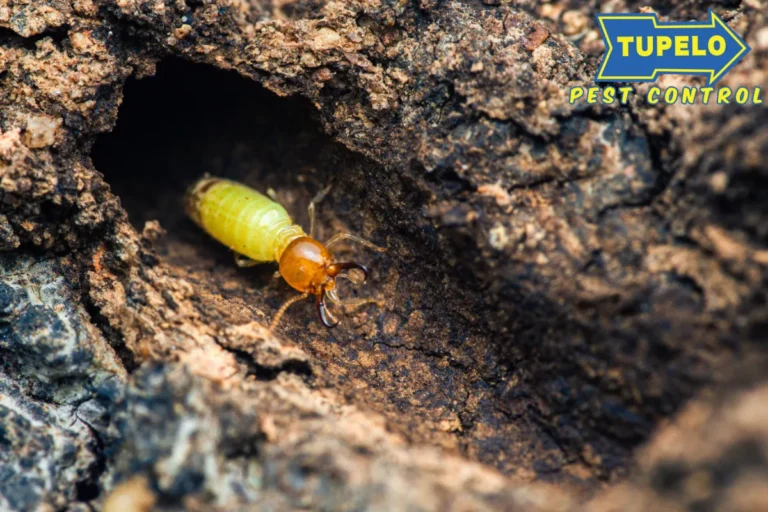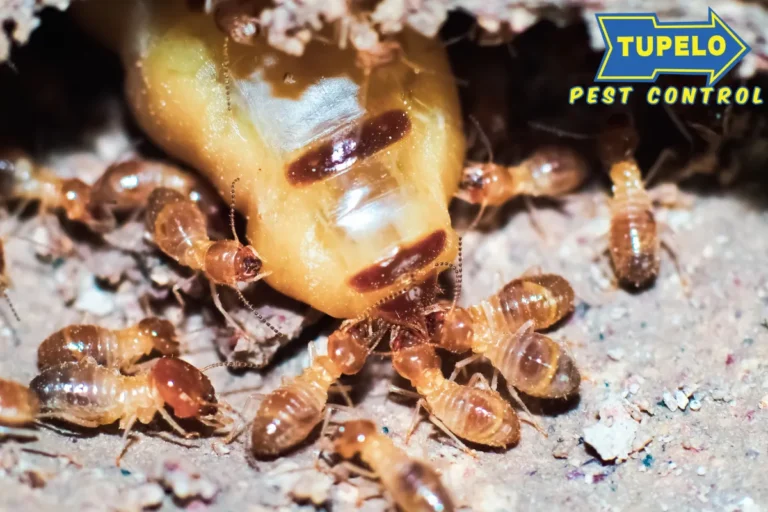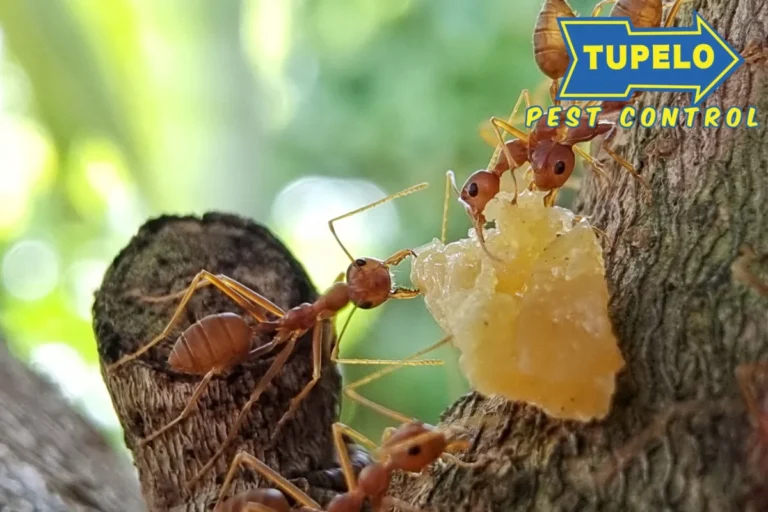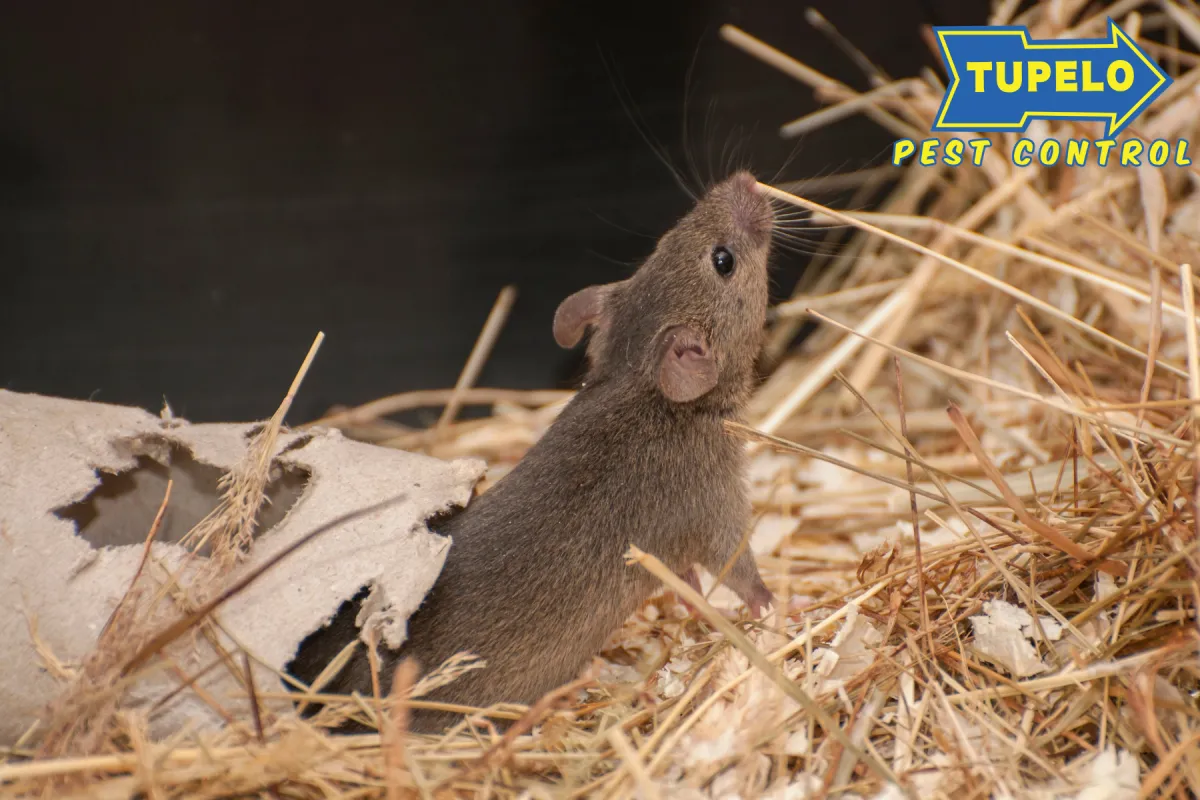
Professional pest control detects hidden entry points by combining thermal imaging and acoustic mapping with physical structural gap audits. Technicians trace insect grease marks, thermal heat signatures, and air drafts to pinpoint micro-gaps around foundation sills, utility line penetrations, soffits, and rooflines that remain invisible to untrained eyes.
4 Primary Methods Technicians Use to Uncover Structural Gaps
Systematic inspection techniques locate structural vulnerabilities across every level of a building envelope.
| Inspection Method | Primary Tool Used | Target Entry Vulnerability |
| Thermal Infrared Scanning | Infrared surface sensors | Temperature drafts and uninsulated wall voids |
| Secretion Mapping | High-lumen inspection lights | Sebum rub marks and pest travel corridors |
| Acoustic Detection | Borescope scope and sound sensors | Hidden movement inside drywall and sub-flooring |
| Pressure Testing | Non-toxic tracer smoke | Air gaps along soffits, eaves, and foundation lines |
4-Step Process: How Technicians Detect Structural Entry Points
- Method 1: Thermal & Infrared Envelope Scanning
Infrared cameras measure subtle temperature differentials along interior wall voids and baseboards, identifying uninsulated gaps, air leaks, and moisture pockets where pests enter. - Method 2: Rub Mark & Excrement Trailing (Secretion Mapping)
Rodents and crawling insects leave oily sebum stains, rub marks, and fecal trails along structural studs, pipe collars, and joists that reveal exact transit corridors. - Method 3: Acoustic Sighting & Motion Detection
Sensitive acoustic sensors and borescope cameras detect faint scratching sounds and movement inside hollow drywall voids and crawl spaces without destructive opening. - Method 4: Smoke & Positive Airflow Pressure Testing
Injecting non-toxic tracer smoke into basement thresholds or attic spaces highlights hidden micro-gaps as smoke escapes through exterior siding joints and soffit seams.
Visual Homeowner Inspection vs. Professional Structural Detection
Comparing standard visual checks with advanced detection tools shows why professional equipment provides better structural protection.
| Detection Parameter / Metric | Visual DIY Homeowner Inspection | Professional Structural Entry Detection |
| Detection Scope | Visible ground-level doors, screens, and windows | Full structural envelope (rooflines, wall voids, sub-floors) |
| Tools & Equipment Used | Standard flashlights and visual checks | Thermal infrared cameras, borescopes, and tracer smoke |
| Detection Threshold | Gaps larger than 1/2 inch | Micro-gaps down to 1/16 inch (insect entry threshold) |
| Sub-Surface Visibility | None; limited to exterior surfaces | Sees through drywall, siding trim, and insulation voids |
| Long-Term Protection Scope | Temporary surface plugging | Comprehensive exclusion mapping with durable sealants |
Applying Our Advanced Protective Framework to Solve This
At Tupelo Pest Control, our family-owned business brings dedicated care and reliable service to every home inspection. We combine advanced detection methods with family-safe practices:
- Years of Experience: Our technicians combine years of experience with local environmental knowledge to identify subtle pest entry pathways across rooflines, crawl spaces, and foundation perimeters.
- Licensed Expertise: We bring fully licensed expertise to every service, using targeted strategies to ensure structural audits and physical barriers meet high professional standards.
- Eco-Friendly Solutions: We prioritize eco-friendly solutions and people- and pet-friendly products that effectively manage pests while respecting your family and the local ecology.
- Vetted, Friendly Technicians: Our technicians are background-checked and drug-screened, delivering warm, accommodating service so you feel completely at ease.
Common Misconception: “Closing Front Doors and Windows Stops Most Indoor Pest Entries”
The Myth: Pests enter homes primarily through open doors, torn window screens, and ground-level garage doors.
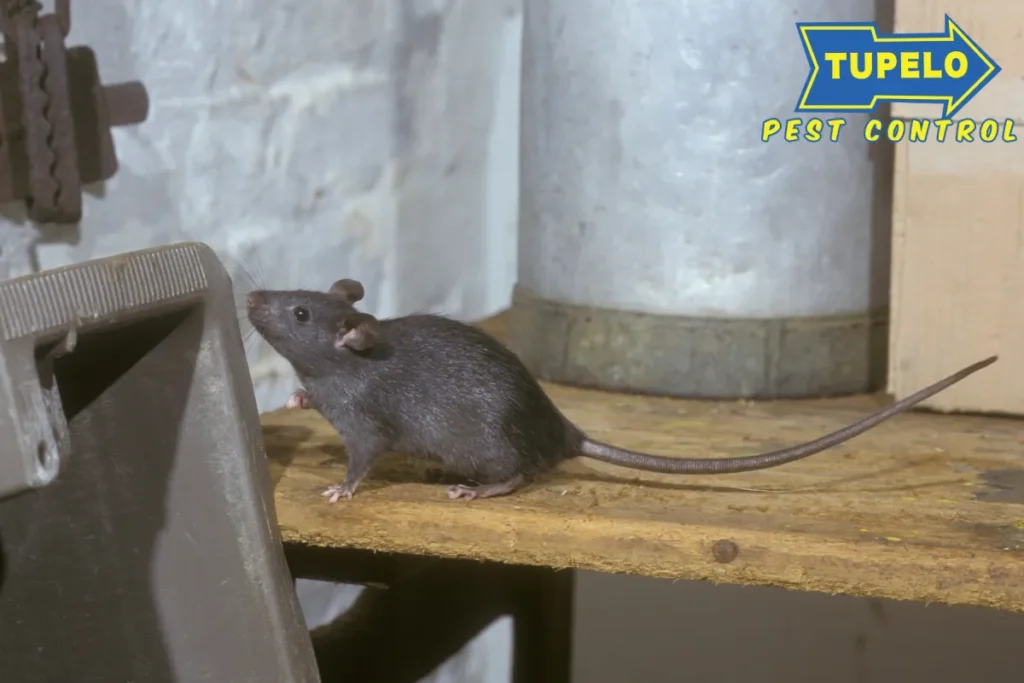
The Reality: Most structural pest invasions occur through concealed gaps that homeowners never see, such as expansion joints behind siding, unsealed utility pipe penetrations, brick weep holes, and roofline soffit gaps. Pests like mice can squeeze through openings as small as a dime, while insects enter through gaps the thickness of a credit card. Surface-level door checks miss the vast majority of active structural entry pathways.
Technical Specifications & Exclusion Terminology
- Building Envelope Integrity: The continuous structural physical barrier formed by walls, roofs, and foundations that separates conditioned indoor spaces from outdoor elements and pests.
- Sebum Rub Marks: Dark, oily grease stains deposited on walls and pipe entries by rodent fur as they repeatedly travel along structural pathways.
- Micro-Gap Penetration: The ability of insects and small rodents to enter buildings through structural gaps measuring between 1/16 inch and 1/4 inch in width.
- Thermal Envelope Leakage: Temperature gaps in walls or ceilings caused by missing insulation or air gaps that attract heat-seeking pests during cold weather.
Why Property Owners Need Professional Entry Detection Services
Unsealed utility entries and hidden soffit gaps allow pests to enter wall voids without being noticed at ground level.
During a recent property audit for a residence in New Albany, our technician discovered a pest corridor hidden behind an outdoor air conditioner line. The homeowner had sealed lower door thresholds, but pests were climbing the conduit pipe and entering an unsealed wall penetration behind the siding. By applying copper mesh and sealing the gap, our team secured the building envelope completely.
Partnering with a reliable team for pest control in New Albany, MS ensures that every elevated gap and foundation crack is thoroughly evaluated. Trained technicians identify air drafts and structural voids that standard flashlights cannot catch.
If you are noticing unexpected insect sightings or movement inside your walls, securing trustworthy New Albany pest control brings complete reassurance to your household. Custom Integrated Pest Management plans address structural gaps before pests establish nesting zones.
Investing in dependable pest control in New Albany keeps your property secure against recurring invasions year after year. Scheduled inspections and quarterly maintenance keep your building envelope fully sealed.
People Also Ask
How small of a hole can a mouse or bug squeeze through to enter a home?
Mice can squeeze through holes as small as 1/4 inch (the size of a pencil eraser), while small insects and spiders can crawl through gaps as tiny as 1/16 inch.
Can pest control technicians find entry points behind solid drywall without breaking it?
Yes. Technicians use infrared thermal cameras, acoustic sensors, and borescopes through tiny pilot holes to inspect wall voids without damaging interior drywall.
Why do pests enter homes through brick weep holes?
Brick weep holes allow essential moisture ventilation behind brick facades, but unshielded gaps provide a direct highway for spiders, mice, and insects into wall voids.
How do professionals seal utility line entry points permanently?
Professionals fill utility gaps with a combination of rust-proof copper mesh, expanding polyurethane foam, and commercial-grade elastomeric sealants.
Protect Your Home with Tupelo Pest Control
At Tupelo Pest Control, we are your trusted partner in creating comfortable, pest-free environments for your home or business. As a family-owned business, we prioritize customer satisfaction, clear communication, and environmentally safe practices.
We provide thorough, personalized Integrated Pest Management solutions tailored to your property’s unique structural needs. Whether you need entry point detection, general pest prevention, quarterly commercial maintenance, or mosquito control, our licensed team delivers safe, long-lasting relief.
Ready to find hidden gaps and restore complete peace of mind to your home? Call us to book an appointment today!