Most of us think of pests as simple creatures driven by the need to find food, water, and shelter. While that’s true, many pests also display bizarre, sometimes unsettling behaviors that seem straight out of a horror movie but are 100% real. Understanding these unusual habits can help homeowners stay one step ahead in protecting their property.
The Ant “Funeral Procession”
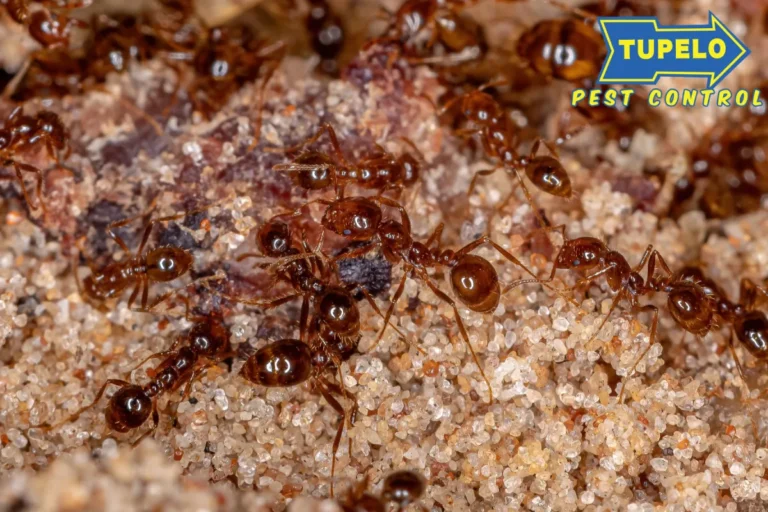
Ants are highly social insects with complex communication systems. When one ant dies, it releases a specific chemical signal called oleic acid. Other ants detect this scent and begin a “funeral procession,” carrying the body to a designated refuse area away from the colony. This prevents disease from spreading and keeps their nest safe.
If you’ve ever spotted a trail of ants carrying something that looks suspiciously like another ant, you may have been witnessing this remarkable and eerie ritual.
Cockroach Breath-Holding
Cockroaches are infamous for their resilience, but here’s a fact you might not know: they can “hold their breath” for up to 40 minutes. Scientists believe this is a way to conserve water in dry conditions by reducing moisture loss through their respiratory system.
This ability allows them to survive in places you wouldn’t expect, another reason they’re considered one of the most adaptable pests on the planet.
Termites That Bang Their Heads
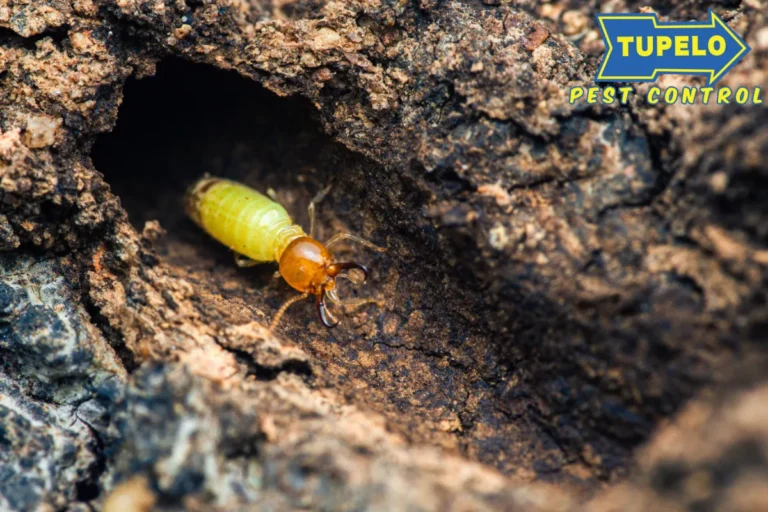
Termites may be small, but they’re capable of making a lot of noise. Some species bang their heads against tunnel walls to signal to other termites in the colony. These vibrations travel through the wood and alert the group to danger, such as a predator or disturbance.
If you’ve ever heard faint clicking or tapping sounds in wooden beams, it could be a sign of termite activity, a signal to call pest control before the damage worsens.
Houseflies That Taste With Their Feet
While humans rely on their mouths to taste food, houseflies use sensors on their feet. When they land on a surface, they instantly “taste” it to determine if it’s edible. If the fly decides the surface is a potential food source, it may regurgitate digestive enzymes to begin breaking it down, a habit that makes it a serious health hazard.
The “Zombie” Behavior of Parasites
Some parasites can manipulate their hosts’ behavior in chilling ways. Certain wasp species, for example, inject their eggs into a live insect, which then becomes a host for developing larvae. The host’s movements and feeding patterns can be altered to benefit the larvae’s survival.
While these pests may not pose a direct threat to humans in everyday life, the behavior highlights just how strange and unsettling nature can be.
Rats That Laugh
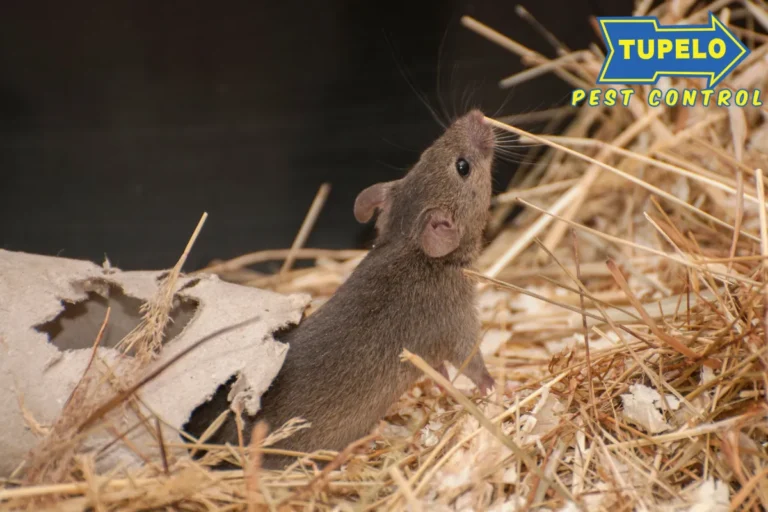
It might sound unbelievable, but laboratory studies have shown that rats can produce high-pitched “chirps” when tickled, similar to laughter. These sounds are associated with playfulness and social bonding. While wild rats aren’t exactly cuddly companions, this finding shows just how complex and emotional some pests can be.
Mosquitoes That Prefer Certain People
Not everyone is equally attractive to mosquitoes. Research suggests that factors like body temperature, carbon dioxide output, and even skin chemistry can make certain individuals more appealing. People who produce more lactic acid in their sweat, for instance, tend to get bitten more often.
Reducing standing water around your home and scheduling pest control services in Saltillo, MS can help lower mosquito populations in your area.
The Disappearing Act of Bed Bugs
Bed bugs are masters of stealth. They can survive for months without feeding and often hide in tiny cracks and crevices during the day, emerging only at night to feed. Their flat bodies allow them to squeeze into spaces as narrow as a credit card, making them difficult to detect without a thorough inspection.
Spiders That “Balloon” Through the Air
Some spider species travel long distances by releasing silk threads that catch the wind, a process known as ballooning. This method allows them to disperse to new locations without ever touching the ground. While it may look magical, it’s also one way spiders can suddenly appear in areas far from their original habitat.
Ants That Farm Other Insects
In one of the strangest examples of pest behavior, certain ants “farm” aphids for their sweet honeydew secretions. They protect aphids from predators and move them to fresh plants, much like humans tending to livestock. This symbiotic relationship benefits both species but can cause major problems for gardeners and homeowners.
Roaches That Remember Paths
Cockroaches have surprisingly good memories. Once they find a reliable food source, they remember the route and return to it repeatedly. This means that if your home becomes a prime target, they’ll keep coming back until the source is eliminated and entry points are sealed.
Why These Behaviors Matter to Homeowners
Strange as they may seem, these behaviors highlight just how resourceful and persistent pests can be. From advanced communication methods to remarkable survival tactics, pests are constantly adapting to their surroundings, including our homes.
Understanding these habits can help you recognize early warning signs and take proactive measures. Partnering with a professional, such as Saltillo pest control experts, ensures these pests are handled effectively and safely.
Prevention Through Knowledge
By learning about unusual pest behaviors, you’re better equipped to keep them at bay. Routine maintenance, timely inspections, and targeted treatments are essential in preventing infestations before they spiral out of control.
Whether it’s protecting against termites that signal danger through wood or mosquitoes that prefer certain hosts, the best defense is consistent prevention, something pest control services in Saltillo can provide year-round.
Frequently Asked Questions
Why do pests have strange behaviors?
Pests develop strange behaviors to survive, communicate, find food, avoid predators, and protect their colonies. These habits can also help homeowners spot early warning signs of an infestation.
What pest behaviors should homeowners watch for?
Homeowners should watch for ant trails, termite tapping sounds, cockroach activity near food sources, mosquito activity around standing water, and bed bugs hiding in cracks or mattress seams.
When should I call a pest control professional?
You should call a pest control professional when you notice recurring pest activity, property damage, droppings, nests, bite marks, or signs that DIY methods are not solving the problem.
About Tupelo Pest Control
At Tupelo Pest Control, we take pride in being a local, family-owned and operated business dedicated to protecting your home or business from pests. Our highly trained technicians are carefully screened, undergoing drug testing and background checks, so you can trust us to provide reliable and professional service.
We use people-safe, pet-friendly, and environmentally conscious treatments to safeguard your family, pets, and property. Serving most of Northeast Mississippi, we are fully licensed, bonded, and insured in the state, and our team uses the latest techniques and materials to deliver effective pest control solutions tailored to your needs. We offer three core service plans, Pest Pro, Pest Pro Plus, and Pest Pro Ultimate, designed to protect against common crawling pests, mosquitoes, and rodents, with each plan including thorough inspections and recurring quarterly maintenance to keep your property protected year-round.
From general pest management to targeted treatments for bed bugs, termites, mosquitoes, fleas, ticks, wasps, fire ants, carpenter bees, and rodents, we deliver customized solutions for residential and commercial clients alike. Every service begins with a detailed inspection to identify the source of your pest problem before implementing a lasting solution.
Seeing unusual pest activity around your home or business? Contact us today to schedule an inspection and get year-round protection you can trust.
Other related blogs:
What Makes a Safe and Effective Pest Control Service
5 Signs Your Home Has a Pest Problem (and You Didn’t Even Notice)
Think Your Home Is Pest-Free? Here’s What You Might Be Missing